

A TOPOGRAPHICAL ACCOUNT OF THE ISLE OF AXHOLME. Being the West Division of the Wapentake of Manley, in the County of Lincoln. In Two Volumes. Vol. I [all published].
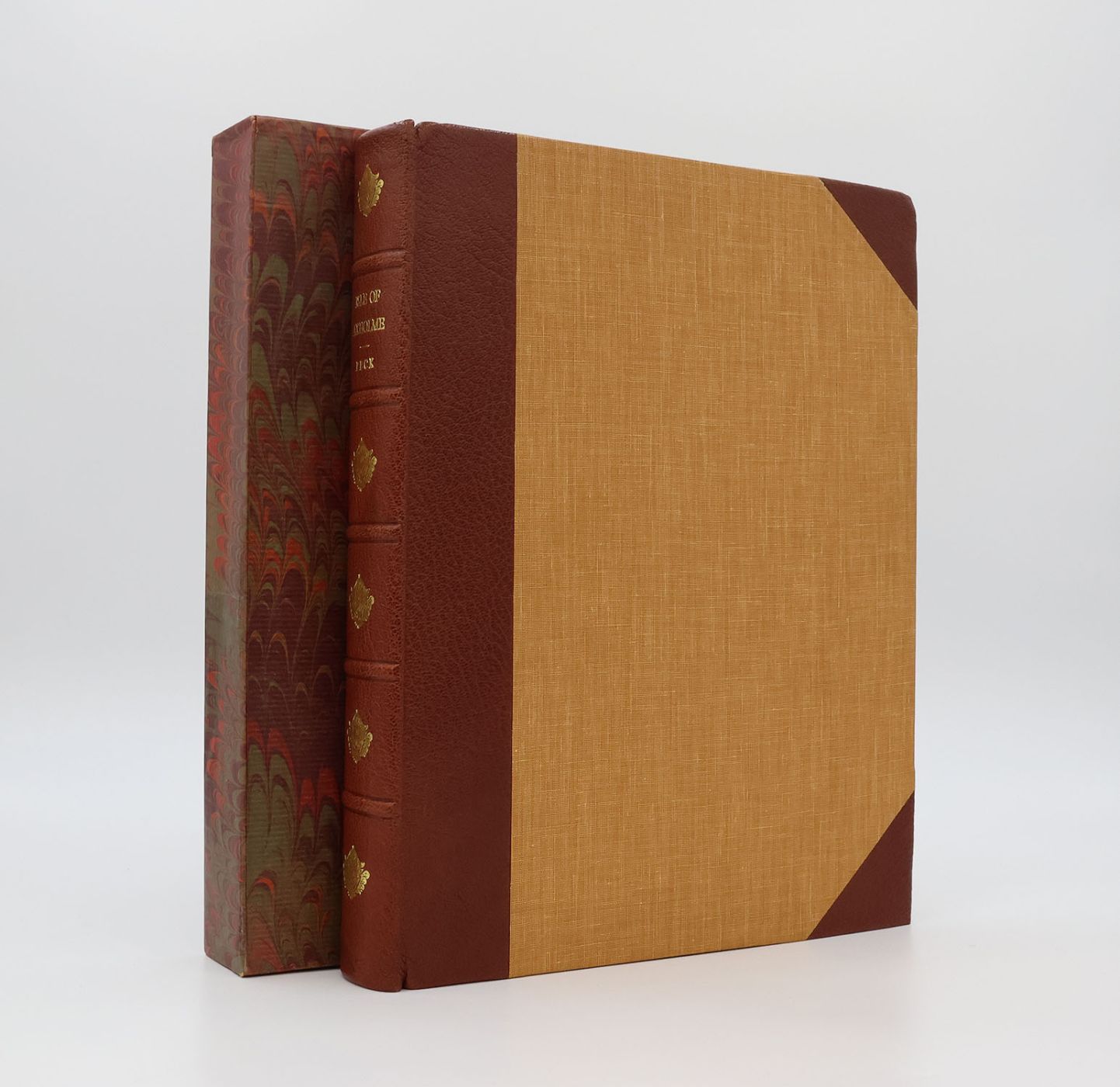
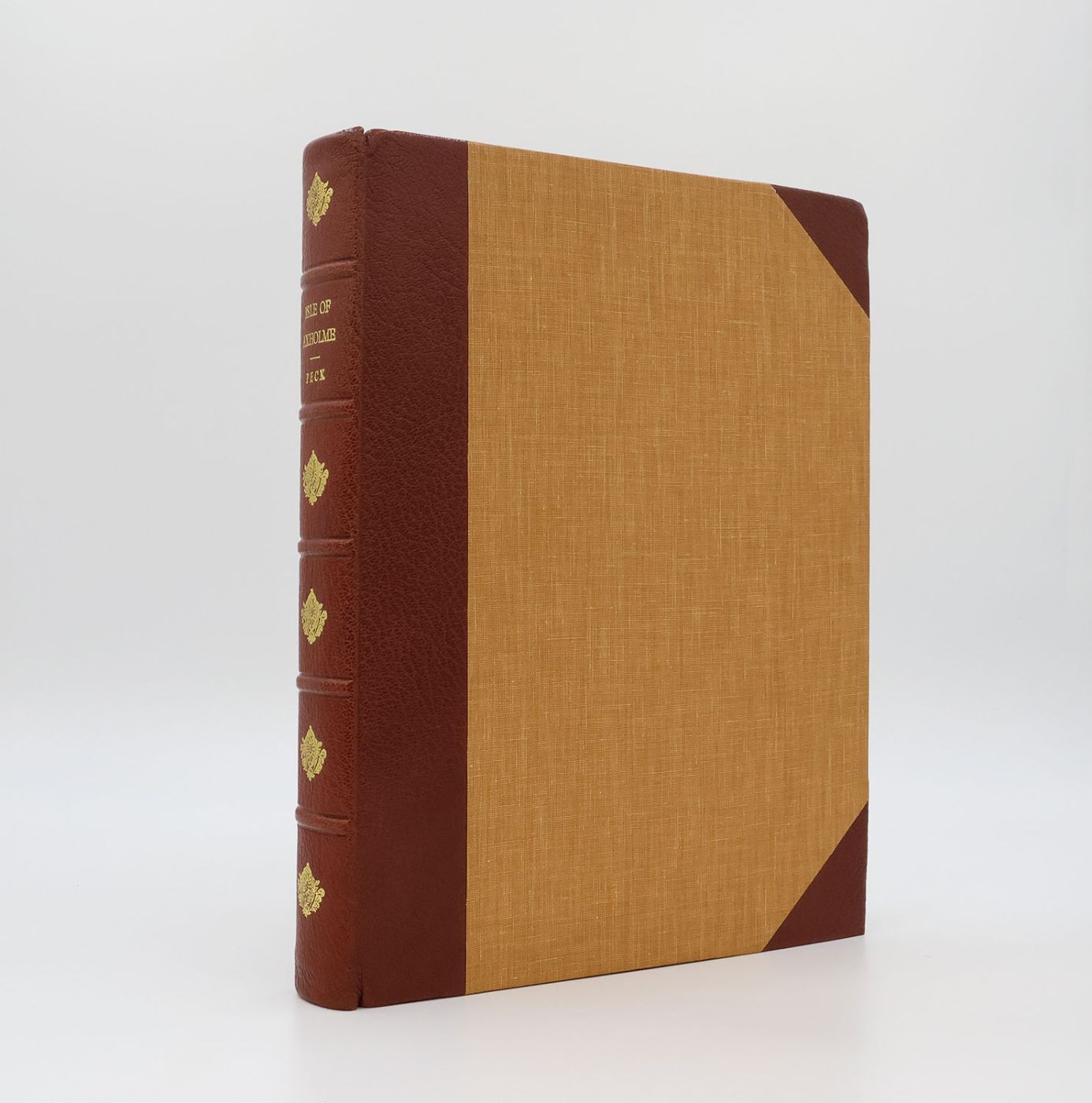
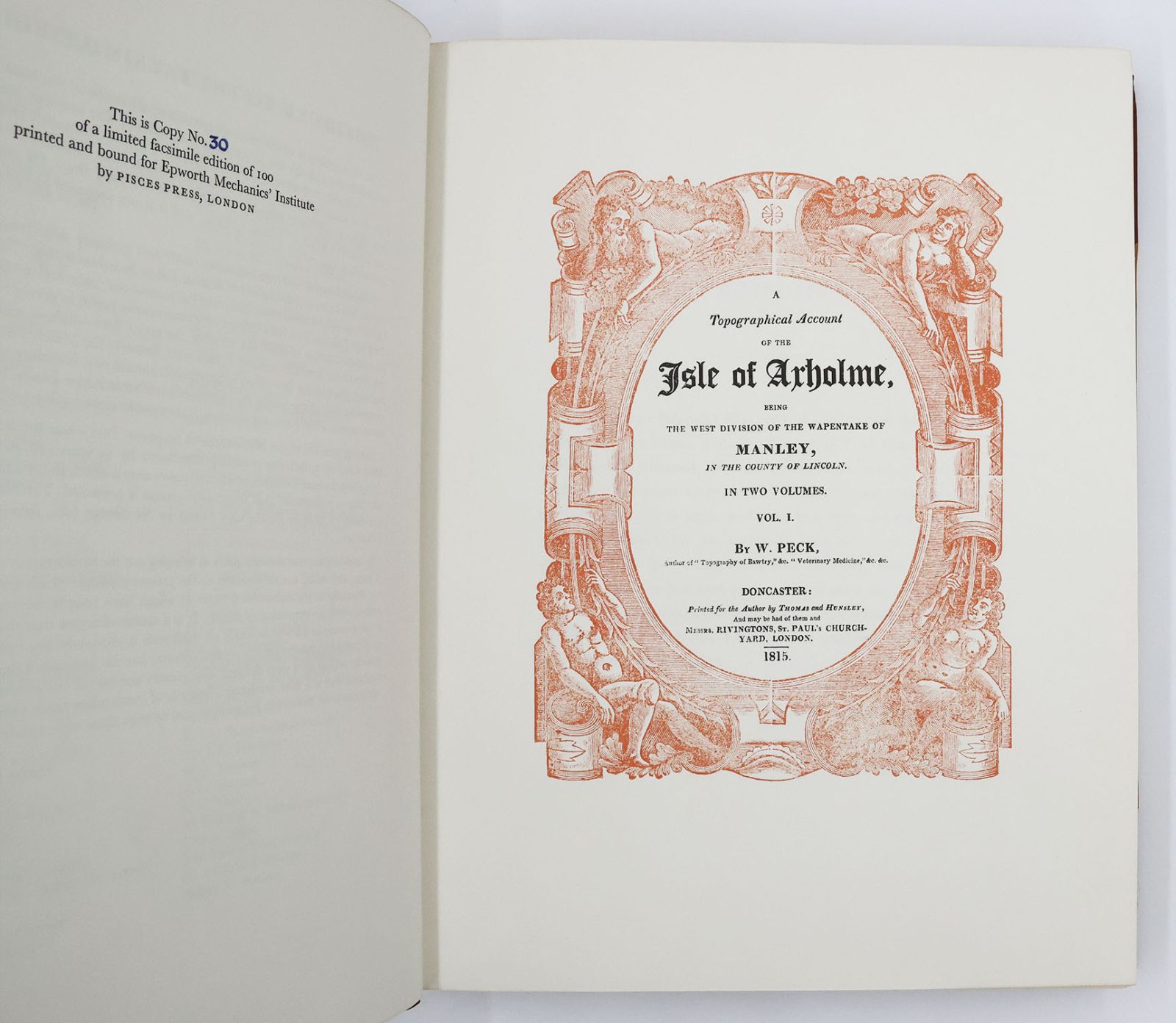
Facsimile edition of the 1815 first edition, published by Thomas and Hunsley Printers, Doncaster. Deluxe edition. Limited edition. Publisher's original half morocco binding with tan cloth, five raised bands, with titles and decoration in gilt to the spine. Housed in marbled paper slipcase. Top edge gilt. Marbled endpapers. Illustrated with five black and white plates preceding the text and a small black and white diagram on page 6. A very near fine copy, the binding square and firm, the cloth and gilt fresh, with light rubbing and bumping to the extremities, and a small discolouration to the tail of the spine. The contents are clean throughout, and without previous owners' inscriptions or stamps. Housed in the very good, creased and rubbed original slipcase, which is faded to the edges, and very slightly lifting at the bottom edge. A lovely example of a scarce volume.
Issued in an edition of 100 copies from which this example is numbered 30. The binding reproduces as closely as possible that specially created for one of the original facsimile editions subscribers, Sir George John Armytage, Baronet, except that the family crest is omitted as the lowest of the five gilt decorative motifs on the spine. A full list of the contemporary subscribers to the facsimile edition faces the foreword by librarian Stanley Houghton. William R. Peck's 1815 history of the Isle of Axholme was the first text written in a series of historiographical and environmental writings concerning the Isle of Axholme. His 'History' is the definitive topographical and historical record of the Isle of Axholme, a marshland plateau of slight elevation consisting of the parishes Belton, Crowle, Ouston, Luddington, Althorpe, and Haxey, from where it derives its name. Due to the highly controversial 1626 Hatfield Chace Drainage Project run by Dutch engineer Sir Cornelius Vermuyden, the Isle of Axholme's landscape was forcibly altered from an islet surrounded by the Rivers Don, Idle and Trent, into a landlocked strip farming region. Peck's extensive account of the project and the community's attempts to obstruct its progress captures the unhappiness of the local residents with a certain Romantic nationalism, exemplified in his inclusion of a 1700 pamphlet petitioning King Charles I to halt continuation of the project indefinitely, written by an anonymous 'Lover of his Country' and located in Appendix no. 5. Residents of the Isle of Axholme, like this anonymous author, are still recognised today for their strong sense of local identity, frugality, and industriousness.
Stock code: 29235
£125
Published:
Category
Modern First EditionsNon-fiction
Bindings
Recent Acquisitions
Natural History
History / Military